Why Regular Visits to Your Auto Mechanic Can Save You Money in the Long Run
Scheduled visits to an auto mechanic can greatly reduce long-term vehicle expenses. Most automobile owners overlook preventive maintenance, leading to costly repairs down the line. Routine inspections can detect minor issues before they escalate. This not only improves safety but also optimizes performance and fuel efficiency. Recognizing the financial benefits of regular check-ups may alter how one views vehicle ownership. What particular benefits can be secured from emphasizing these visits?
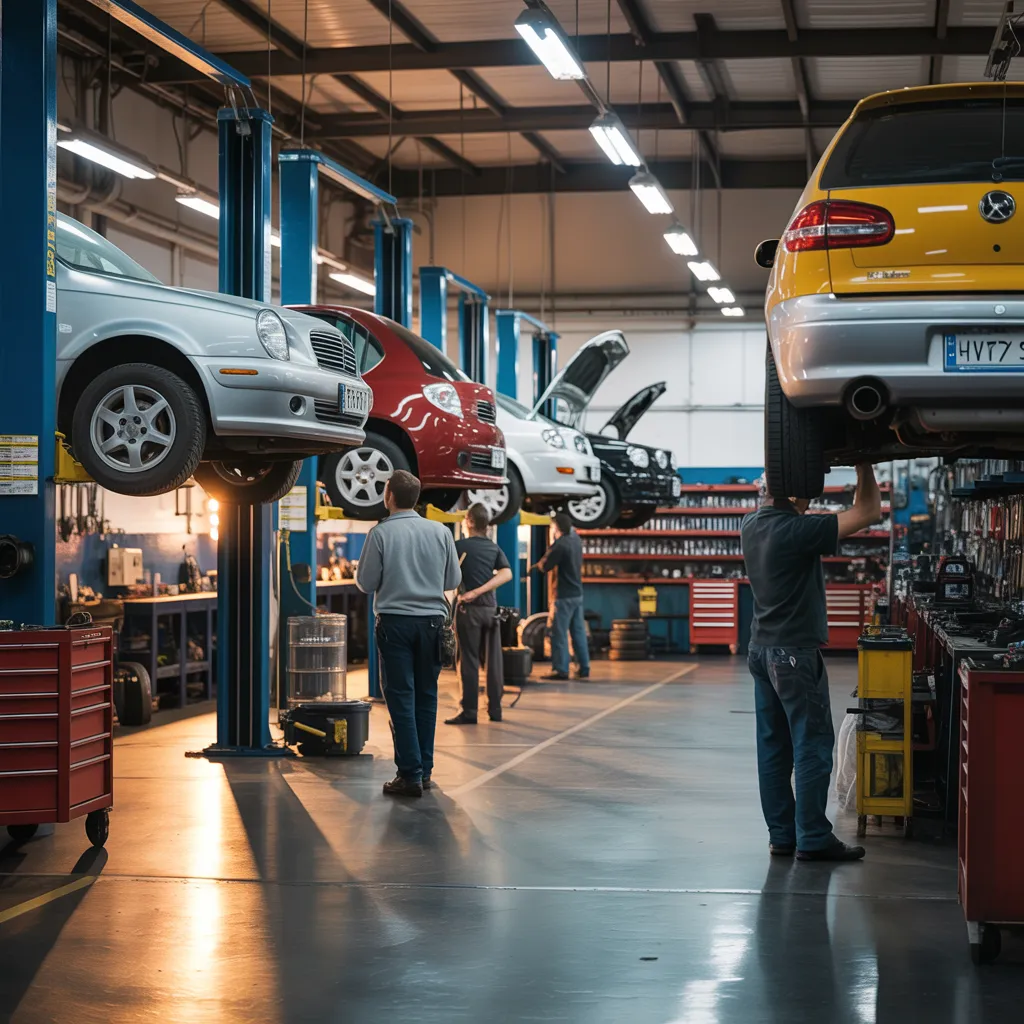
Why Car Owners Should Prioritize Preventive Maintenance
Even though countless car owners may ignore preventive maintenance, emphasizing it can considerably reduce long-term costs and increase vehicle performance. Scheduled service checks, encompassing oil changes, tire rotations, and fluid level inspections, work to lengthen the lifespan of a vehicle. By handling minor issues before they become major repairs, car owners can sidestep the financial burden of substantial damage.
Furthermore, a well-maintained vehicle performs more efficiently, delivering better fuel efficiency and reduced emissions. This not only reduces money at the pump but also benefits the environment.
Additionally, routine upkeep can boost the overall safety of the vehicle, as it ensures critical components function correctly. Eventually, investing in routine maintenance promotes peace of mind, knowing the vehicle is not prone to experience sudden breakdowns. Vehicle owners who adopt preventive maintenance not only enjoy better performance but also protect their investment against subsequent repair costs.
How Periodic Inspections Reveal Hidden Defects
Routine inspections play an essential role in early problem detection for vehicles. By spotting issues before they escalate, car owners can sidestep costly repairs down the line. This proactive approach not only enhances vehicle longevity but also ensures significant savings.
Early Trouble Detection
When vehicles go through scheduled inspections, latent issues typically surface before they evolve into costly maintenance. Swift issue detection is a key benefit of periodic trips to an vehicle specialist. During these inspections, mechanics examine different systems, such as brakes, tires, and fluid levels, identifying erosion that may not be easily detectable to the owner. This forward-thinking method enables the discovery of potential problems, such as leaks or unusual noises, which can signal fundamental problems. By resolving these concerns quickly, vehicle owners can copyright superior functionality and safety. Finally, regular inspections not only enhance vehicle longevity but also deliver peace of mind, knowing that little concerns are addressed before they develop into significant complications.
Prevention of Expensive Repairs
Routine inspections not only enable early problem detection but also play a vital role in preventing costly repairs. By systematically checking vehicle components, mechanics can uncover hidden issues such as deteriorated brake pads, fluid leaks, or engine irregularities before they escalate. These outwardly minor problems, if left neglected, can result in major failures requiring extensive repairs or even complete replacements. For instance, a small coolant leak could produce an overheated engine, costing thousands in damage. Routine visits to an auto mechanic allow vehicle owners to address these concerns preventively, ultimately conserving money and extending the vehicle's lifespan. Pursuing routine inspections is a sensible decision that guards against unexpected expenses and boosts overall vehicle reliability.
The Cost of Ignoring Routine Maintenance and Small Repairs
Overlooking preventive maintenance and basic repairs can lead to major long-term expenses for vehicle owners. When little concerns, such as worn brake pads guide or a slight fluid leak, are disregarded, they can turn into much more serious problems. For instance, neglecting a simple oil change can lead to engine wear, finally needing an expensive replacement. In addition, failing to resolve minor electrical problems may cause complete system failures, demanding much more than the initial repair would have.
Scheduled visits to a car mechanic facilitate early interventions that stop these high-cost malfunctions. Automobile proprietors could realize that the combined costs of deferred servicing substantially outweigh the charges connected with preventive maintenance. Furthermore, neglecting these problems may additionally reduce the car's resale worth, resulting in owners having a devalued asset. Over time, preventive upkeep not only extends car lifespan but also protects the proprietor's monetary investment.
How Routine Oil Changes Help You Save Money
Routine oil changes are crucial for sustaining engine health and longevity. By ensuring ideal lubrication, they boost fuel efficiency and minimize the risk of costly repairs later on. Overall, these routine services contribute to considerable long-term savings for vehicle owners.
Engine Durability Advantages
While some vehicle owners might dismiss oil changes as a routine maintenance task, these periodic services are vital to extending engine longevity. Regular oil changes guarantee that the engine is lubricated, lessening friction and wear on its moving parts. Clean oil effectively eliminates contaminants that can gather over time, avoiding sludge buildup and potential engine damage. By maintaining proper oil levels and quality, vehicle owners can eliminate overheating and excessive wear, creating a longer-lasting engine. Additionally, a well-maintained engine functions more smoothly, reducing the likelihood of costly repairs. In the long run, investing in regular oil changes represents a wise choice, as it extends engine life and minimizes the risk of unexpected expenses stemming from engine failure.
Enhanced Fuel Economy
When vehicle owners prioritize timely oil changes, they often experience improved fuel efficiency, translating to substantial cost reductions at the pump. New oil decreases friction between engine components, permitting the engine to operate more smoothly. This optimal performance can lead to a substantial increase in miles per gallon (MPG). Additionally, clean oil helps to maintain engine temperature, preventing overheating and making certain that the vehicle runs efficiently. Skipping oil changes can lead to dirty, degraded oil, which can impair engine performance and diminish fuel economy. By sticking to a regular oil change schedule, vehicle owners both improve their vehicle's performance and also reduce the frequency of refueling, ultimately leading to lower fuel expenses over time.
Proactive Maintenance Financial Benefits
Scheduled oil changes contribute greatly to overall vehicle maintenance, leading to substantial savings in the long run. Consistently replacing the oil verifies that the engine functions smoothly and efficiently, reducing wear and tear on its components. This practice aids in avoiding costly repairs that may occur due to neglect. Additionally, clean oil improves fuel efficiency, permitting drivers to save on gas expenses. Most manufacturers suggest oil changes at specific intervals, and adhering to these guidelines can increase the vehicle's lifespan. By investing in regular oil changes, vehicle owners not only preserve optimal performance but also mitigate the risk of unexpected breakdowns. Thus, these preventive measures can result in significant financial benefits over time, making regular visits to the mechanic a sensible choice.
How Looking After Your Tires Cuts Your Costs
Appropriate tire maintenance is vital for vehicle owners looking to save money in the long run. Well-maintained tires enhance fuel efficiency by ensuring optimal traction and reducing rolling resistance. When tires are correctly inflated and aligned, vehicles burn less fuel, resulting in lower gas expenses over time.
Moreover, regular tire rotations and alignments can substantially extend tire longevity, delaying the need for expensive replacements. Irregular wear can lead to premature tire failure, resulting in unexpected expenses and potential dangers on the road.
Buying tires with sufficient tread depth also boosts performance and decreases the risk of accidents. Drivers who overlook their tires may face not only higher fuel costs but also expenses tied to repairs resulting from tire-related issues.
Why Routine Maintenance Boosts Vehicle Safety
Periodic check-ups are critical for securing vehicle safety, as they facilitate the early detection of potential issues that could lead to accidents. These inspections typically cover vital components such as brakes, steering, and lights, which play a vital role in safe driving. Mechanics can identify degraded parts, leaks, or other malfunctions that, if left unchecked, may jeopardize vehicle performance.
Additionally, regular maintenance helps verify that safety systems, such as seat belts and airbags, are working properly. This proactive approach lessens the chance of mechanical failure while driving, boosting overall road safety for both the driver and other road users. Furthermore, routine checks aid in maintaining visibility by checking that headlights and taillights are in working order, which is crucial during nighttime or adverse weather conditions. To conclude, regular check-ups not only support safer driving experiences but also promote long-term vehicle reliability.
How Consistent Visits Increase Your Vehicle's Lifespan
When vehicle owners maintain a consistent service schedule, they substantially increase their automobile's durability. Routine inspections enable technicians to detect and resolve minor issues before they develop into major problems. For example, regular oil changes, fluid checks, and tire rotations prevent wear and tear that could result in engine failure or reduced performance.
Moreover, periodic inspections assist in maintain important systems, like brakes and suspension, ensuring they perform properly. This not only increases the vehicle's lifespan but also enhances fuel efficiency, resulting in additional cost savings.
Moreover, a regularly serviced vehicle keeps its resale value much better than one that has been overlooked. Car buyers often favor cars with documented maintenance histories, making them more attractive in the used car market. Overall, regular visits to an auto mechanic enhance a vehicle's overall health, guaranteeing it remains efficient and reliable for years to come.
Popular Questions
How Regularly Should I Schedule Visits to My Auto Mechanic?
Usually, setting up visits to an auto mechanic every six months or 5,000 miles is recommended. Yet, personal vehicle requirements and usage may demand adjustments, making it crucial to consult the vehicle's maintenance recommendations for details.
What Takes Place During a Standard Vehicle Inspection?
During a regular vehicle inspection, individuals should expect checks on liquid levels, brakes, tires, lights, and belts. Mechanics may provide a report detailing any required repairs or maintenance, ensuring the vehicle remains safe and operational.
Do Specific Warning Signs Exist That Mean I Should See a Mechanic?
Particular symptoms signal a need for a mechanic, including odd noises, warning lights on the dashboard, fluid leaks, reduced performance, or unusual smells. Dealing with these concerns immediately can help prevent more expensive and significant repairs later.
Can Regular Visits Improve My Vehicle's Resale Value?
Regular mechanic visits can indeed boost your vehicle's resale value. Ongoing maintenance secures maximum performance and reliability, which prospective buyers commonly prioritize, contributing to a superior selling price and greater buyer assurance.
Which Records Should I Retain From My Vehicle Service Visits?
Preserving records of work completed, parts replaced, and repairs carried out is essential. Moreover, retaining invoices and warranties enhances transparency and supports future maintenance decisions, ultimately contributing to well-informed vehicle care and improved resale potential.